Broadcasting and Cable Celebrates 32nd Annual Hall of Fame Gala at New York’s Ziegfeld Ballroom


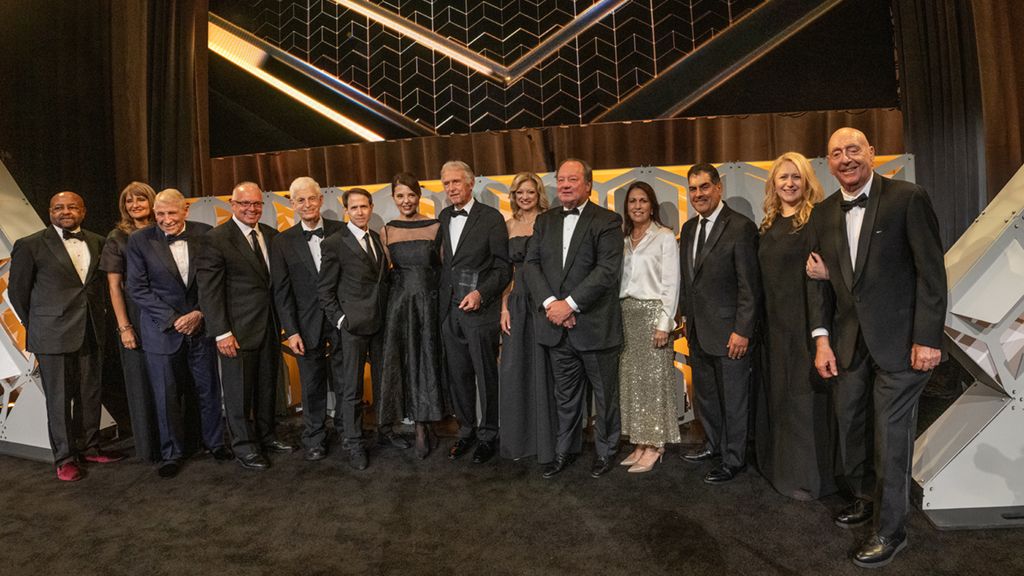
The 32nd class of honorees to the B+C Hall of Fame took to the stage at New York’s Ziegfeld Ballroom on September 26 for a gala induction event, marking over three decades of excellence in the media, broadcasting, and cable industries. The evening served as a formal recognition of the luminaries who have shaped the technological and cultural landscape of television, bringing together industry titans, network executives, and iconic personalities to celebrate a legacy of innovation and leadership.
The event, a cornerstone of the media calendar, highlighted a diverse group of individuals whose careers have spanned the transition from traditional analog broadcasting to the complex, multi-platform digital ecosystem that defines modern media consumption. As the industry faces unprecedented disruption from streaming platforms and shifting advertising models, the 2024 induction ceremony served as both a retrospective of past achievements and a testament to the resilience of legacy media brands.
A Legacy of Excellence: The 2024 Honorees
The class of 2024 featured a notable roster of industry leaders, including basketball broadcaster and ESPN icon Dick Vitale; ABC News anchor George Stephanopoulos; Disney Entertainment president of networks Debra OConnell; and long-time industry veteran Bill McGorry. They were joined by a cohort of distinguished peers, including Douglas V. Holloway, Valari Dobson Staab, Arthur Wagner, Steve Lanzano, Mario J. Gabelli, Janice Arouh, Karen Dougherty Buchholz, Bob Bakish, Marianne Gambelli, and Scott Herman.
The selection process for the B+C Hall of Fame is notoriously rigorous, focusing on individuals who have not only achieved professional longevity but have fundamentally altered the mechanics of their respective sectors. From advertising sales and content distribution to editorial integrity and corporate management, the 2024 honorees represent the pillars of the broadcasting community.
Historical Context and Evolution of the B+C Hall of Fame
The B+C Hall of Fame was established in the early 1990s as a vehicle to honor those who have made significant contributions to the development of television and radio. Over the past 32 years, the gala has evolved from a niche industry gathering into a premier networking event for high-level executives, agents, and producers.
The inaugural class set a precedent for the caliber of inductees that has remained consistent throughout the event’s history. Over the decades, the Hall has served as a mirror for the industry’s own transformation. In the early 1990s, inductees were primarily focused on the growth of cable networks and the expansion of syndicated programming. By the 2000s, the focus shifted toward digital convergence and the early adoption of high-definition broadcasting. Today, the Hall of Fame recognizes leaders who are successfully navigating the pivot toward global streaming services, data-driven advertising, and the integration of artificial intelligence in content creation.
The Ziegfeld Ballroom, a historic venue in Manhattan, has become the traditional home for this celebration, providing a backdrop that emphasizes the grandeur and importance of the television medium. The ceremony itself typically involves a combination of video tributes, personal testimonials from industry peers, and acceptance speeches that offer a rare, unfiltered look into the challenges and triumphs of the media business.
Supporting Data: The State of the Industry
The induction ceremony took place at a critical juncture for the broadcasting and cable sector. According to data from industry analysts, the linear television market is currently experiencing a significant contraction in traditional viewership, with cord-cutting rates reaching record highs in 2024. Despite this, the executives honored at this year’s gala represent the organizations that are leading the charge in "hybrid" distribution models—balancing traditional linear assets with high-growth digital platforms.
For instance, the inclusion of leaders like Debra OConnell reflects the industry-wide shift toward direct-to-consumer (DTC) strategies. As major media conglomerates seek to reclaim audience data and optimize advertising revenue, the strategies employed by this year’s honorees have become a blueprint for their competitors. Furthermore, the presence of advertising industry veterans like Steve Lanzano underscores the continued importance of broadcast television as a reach-multiplier in a fragmented media environment. Even with the rise of programmatic digital advertising, broadcast television remains the primary vehicle for high-impact brand messaging, a reality that the Hall of Fame honorees have spent their careers cementing.
Analysis of Leadership in a Digital-First Era
The careers of this year’s honorees offer a compelling case study in professional adaptation. Dick Vitale’s career, for example, mirrors the rise of the sports-industrial complex, where personality-driven broadcasting became a brand in its own right. Similarly, George Stephanopoulos’s transition from high-level political advisory to a centerpiece of network news illustrates the blurring lines between journalism, personality, and entertainment.
The professional trajectories of these individuals suggest that success in the current media climate requires a dual focus: maintaining the brand equity of legacy platforms while aggressively pursuing digital innovation. Those inducted this year have largely avoided the stagnation that has plagued other segments of the traditional media sector. By fostering partnerships between legacy cable providers and new-age streamers, these leaders have ensured that their networks remain relevant to a younger, more mobile audience.
Industry Impact and Official Reactions
The B+C Hall of Fame induction is more than a social event; it is an endorsement of leadership strategies. Following the ceremony, various industry trade groups and analysts noted that the class of 2024 sends a clear message about the qualities required to lead in the coming decade. Integrity, long-term strategic vision, and the ability to maintain corporate culture during periods of extreme volatility were the recurring themes of the night.
"The industry is currently in a state of flux, and the individuals recognized this year are those who have managed to steer their respective ships through turbulent waters," remarked one industry analyst following the gala. "They are not just managers; they are architects of the future of content."
While the gala is a celebration, the conversations held behind the scenes—away from the stage lights—focused heavily on the pending challenges of 2025: the sustainability of regional sports networks, the ongoing battles for carriage rights, and the integration of generative AI into production workflows. The Hall of Fame provides a unique venue where these discussions can occur between the titans of the old guard and the rising stars of the digital age.
Looking Toward the Future
As the 32nd annual B+C Hall of Fame concludes, the focus now shifts to how the honorees will influence the trajectory of the industry in the years to come. The gala’s longevity suggests that despite the rapid evolution of technology, the human element—the talent in front of the camera and the executive leadership behind the scenes—remains the most vital component of the broadcasting ecosystem.
The induction of the 2024 class is not merely an acknowledgment of past performance; it is a recognition of the institutional knowledge that will be required to navigate the next generation of media challenges. By honoring those who have already proven their ability to pivot, the industry signals its commitment to continuity, even as the medium itself continues to transform. As the event concluded at the Ziegfeld Ballroom, the overarching sentiment among attendees was one of cautious optimism—a belief that while the business of broadcasting is changing, the power of compelling, professionally produced content remains an enduring asset. The 2024 B+C Hall of Fame class stands as a testament to that legacy, bridging the history of the medium with the potential of the digital frontier.